



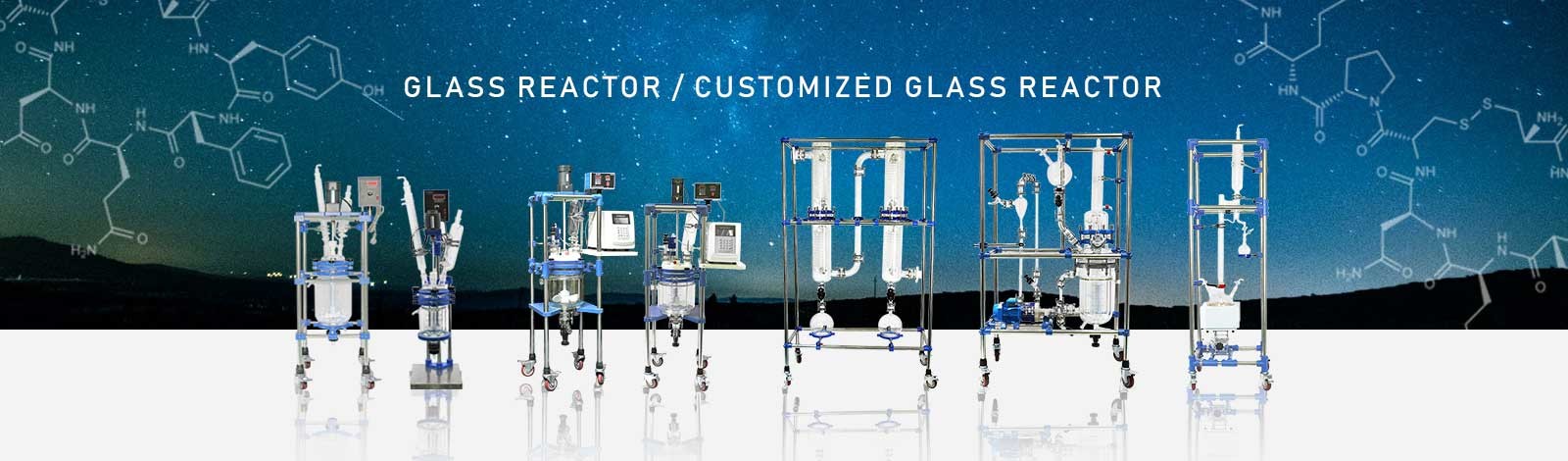


유리 반응기 시스템: 화학 합성, 증류 및 여과용 재킷 용기 솔루션(3L-200L)
2026-07-09
.gtr-container-7f8d9e {
font-family: Verdana, Helvetica, "Times New Roman", Arial, sans-serif;
color: #333;
line-height: 1.6;
padding: 20px;
box-sizing: border-box;
max-width: 100%;
overflow-x: hidden;
}
.gtr-container-7f8d9e p {
font-size: 14px;
margin-bottom: 1em;
text-align: left !important;
}
.gtr-container-7f8d9e strong {
font-weight: bold;
color: #34343B;
}
.gtr-container-7f8d9e__section-title {
font-size: 18px;
font-weight: bold;
color: #34343B;
margin-top: 2em;
margin-bottom: 1em;
padding-bottom: 5px;
border-bottom: 2px solid rgba(52, 52, 59, 0.2);
text-align: left;
}
.gtr-container-7f8d9e__subsection-title {
font-size: 16px;
font-weight: bold;
color: #34343B;
margin-top: 1.5em;
margin-bottom: 0.8em;
text-align: left;
}
.gtr-container-7f8d9e__table-wrapper {
width: 100%;
overflow-x: auto;
margin-top: 1.5em;
margin-bottom: 2em;
border: 1px solid rgba(52, 52, 59, 0.3) !important;
border-radius: 4px;
}
.gtr-container-7f8d9e table {
width: 100%;
border-collapse: collapse;
border-spacing: 0;
min-width: 600px;
}
.gtr-container-7f8d9e th,
.gtr-container-7f8d9e td {
padding: 12px 15px;
text-align: left;
vertical-align: top;
border: 1px solid rgba(52, 52, 59, 0.3) !important;
font-size: 14px;
word-break: normal;
overflow-wrap: normal;
}
.gtr-container-7f8d9e th {
background-color: rgba(52, 52, 59, 0.1);
font-weight: bold;
color: #34343B;
}
.gtr-container-7f8d9e tbody tr:nth-child(even) {
background-color: rgba(52, 52, 59, 0.03);
}
@media (min-width: 768px) {
.gtr-container-7f8d9e {
padding: 30px 40px;
}
.gtr-container-7f8d9e__table-wrapper {
overflow-x: visible;
}
.gtr-container-7f8d9e table {
min-width: auto;
}
}
제품 개요
2006 년에 설립 된 주요 화학 유리 기기 제조업체 인 Nantong Sanjing Chemglass Co., Ltd.는유리 원자로 시스템화학 및 의약품 산업에서 혼합, 반응, 증류 및 필터레이션에 필요한 필수 장비.3L ~ 200L, 이러한 자켓 용기 시스템은 정확한 온도 제어, 완전한 프로세스 투명성, 그리고 현대 실험실 및 파일럿 규모의 응용에 대한 비교할 수 없는 다재다능성을 제공합니다.
자켓 용기 디자인은 원자로를 둘러싸고 냉각 또는 난방 자켓을 갖추고 있으며, 온도 조절 유체가 순환됩니다.이 방법은 함유물의 정확한 열 조절을 가능하게 합니다.완전히 투명한 보로 실리케이트 유리 구조로 인해 운영자는 반응의 모든 단계를 실시간으로 시각적으로 모니터링 할 수 있으며, 이는 정밀 화학 물질에 대한 이상적인 테스트 플랫폼이됩니다.생화학 연구, 의약품 중간 물질, 귀금속 정화, 새로운 그래핀 에너지 재료 및 항공 우주 재료 개발.
주요 사양
매개 변수
PGR-3
PGR-5
PGR-10
PGR-30
PGR-50
PGR-100
PGR-200
부피 (L)
3
5
10
30
50
100
200
커버에 있는 목 번호
4
5
6
6
6
6
6
안쪽 혈관 직선 (mm)
150
180
230
330
365
460
600
배 외면 지름 (mm)
200
230
290
365
410
500
650
모터 전력 (W)
40
60
140
140
140
250
750
진공도 (Mpa)
0.098
0.098
0.098
0.098
0.098
0.098
0.098
회전 속도 (rpm)
50-1400
50-600
50-600
50-600
50-600
50-600
50-600
토크 (Nm)
0.27
0.95
2.23
2.23
2.23
3.98
6.37
고급 사용자 정의 옵션
유리 원자로 시스템은 다양한 프로세스 요구 사항을 충족시키기 위해 완전히 사용자 정의 할 수 있습니다. 세 가지 주요 사용자 정의 영역은 모든 응용 프로그램에 최적의 성능을 보장합니다.
윙윙하는 블레이드
PTFE 및 스테인리스 스틸 옵션을 포함하여 여러 블레이드 구성이 제공됩니다. 모든 블레이드는 전체 속도 범위에서 신뢰할 수있는 작동을 위해 흔들기 샤프트에 안전하게 클램프 할 수 있습니다.
진공 자켓
추가 진공 자켓이 추가로 추가되어 있습니다. 더 나은 열 절연을 제공합니다. 얼음 형성을 제거합니다.그리고 용기 안의 투명한 시야를 유지합니다. 시각적 모니터링이 중요한 낮은 온도 반응에 필수적입니다..
열 유체 포트
여러 가지 연결 옵션이 열 유체 포트에 제공되며, 유리 바브, 스테인리스 스틸 바브, 플랜지 및 NPT 스레드 구성,기존 실험실 인프라와의 호환성을 보장.
전체 시스템 통합
산징 화학 유리는 산업의 요구에 따라 발전하는 종합적인 원스톱 매칭을 제공합니다.원자로 시스템은 순환수 다목적 진공 펌프 및 고저온 순환 장치와 통합될 수 있습니다., 즉각적으로 배포 할 수있는 완전한 반응 합성 플랫폼을 제공합니다. 이 손바닥 접근법은 간단한 단일 체일 설정에서 복잡한 다단계 프로세스 시스템에 이르고 있습니다.증가하는 연구 필요를 충족시키기 위해 자유롭게 확장 할 수 있습니다..
양질의 포장 및 전 세계 배달
엄격한 포장 과정이 모든 배송의 안전과 완전성을 보장합니다. 각 주문은 여러 가지 재료 층으로 충분한 내부 보호를 받습니다.제품 사양과 고객 요구에 맞춘 합격된 목재 케이스 또는 카튼 포장이 회사의 전략적 위치인 난동 시에서 상하이에서 불과 2시간 거리에 위치하여 항공, 해상 및 익스프레스 택배 서비스를 통해 국제 물류에 편리한 교통 접근을 제공합니다.
제조업 우수성
1에서 작동161000 평방 미터 시설더 이상100명의 직원, 난동 산징 화학 유리 연간 판매를 달성2천만 달러회사의 전문 지식은 설계, 제조, 장비 선택, 기기 지원, 설치, 시공,및 유지보수 ∼ 의약품 고객에 대한 종합 솔루션 제공모든 유리 원자로 제품에는 포괄적인 보증 보장과 반응적인 판매 후 지원이 제공됩니다.보증 기간 동안 무료 교체 부품 및 사진 또는 비디오 문서와 함께 전자 메일을 통해 전문가 기술 문제 해결을 포함하여.
더 보기
엑스-프로프 진공 회전 증발기: 열에 민감한 재료 처리를 위한 첨단 용매 복구 시스템
2026-07-09
.gtr-container-d7f9h2 {
font-family: Verdana, Helvetica, "Times New Roman", Arial, sans-serif;
color: #333;
line-height: 1.6;
padding: 20px;
box-sizing: border-box;
}
.gtr-container-d7f9h2__section-title {
font-size: 18px;
font-weight: bold;
color: #34343B;
margin-top: 25px;
margin-bottom: 15px;
text-align: left;
}
.gtr-container-d7f9h2 p {
font-size: 14px;
margin-bottom: 1em;
text-align: left !important;
word-break: normal;
overflow-wrap: normal;
}
.gtr-container-d7f9h2 p strong {
color: #34343B;
}
.gtr-container-d7f9h2__table-wrapper {
width: 100%;
overflow-x: auto;
margin-bottom: 20px;
}
.gtr-container-d7f9h2 table {
width: 100%;
border-collapse: collapse !important;
border-spacing: 0 !important;
font-size: 14px;
min-width: 600px;
}
.gtr-container-d7f9h2 th,
.gtr-container-d7f9h2 td {
border: 1px solid #34343B !important;
padding: 10px !important;
text-align: left !important;
vertical-align: top !important;
word-break: normal !important;
overflow-wrap: normal !important;
}
.gtr-container-d7f9h2 th {
font-weight: bold !important;
background-color: #F5F5F5 !important;
color: #34343B !important;
}
.gtr-container-d7f9h2 tbody tr:nth-child(even) {
background-color: #FDFDFD !important;
}
.gtr-container-d7f9h2 ul,
.gtr-container-d7f9h2 ol {
list-style: none !important;
margin: 0 0 1em 0;
padding-left: 25px;
}
.gtr-container-d7f9h2 li {
position: relative;
margin-bottom: 0.5em;
padding-left: 0;
font-size: 14px;
list-style: none !important;
}
.gtr-container-d7f9h2 ul li::before {
content: "•" !important;
position: absolute !important;
left: -15px !important;
color: #34343B;
font-size: 1.2em;
line-height: 1.6;
}
.gtr-container-d7f9h2 ol li::before {
content: counter(list-item) "." !important;
position: absolute !important;
left: -25px !important;
color: #34343B;
font-weight: bold;
width: 20px;
text-align: right;
line-height: 1.6;
}
@media (min-width: 768px) {
.gtr-container-d7f9h2 {
padding: 30px 40px;
}
.gtr-container-d7f9h2__section-title {
margin-top: 35px;
margin-bottom: 20px;
}
.gtr-container-d7f9h2__table-wrapper {
overflow-x: visible;
}
.gtr-container-d7f9h2 table {
min-width: auto;
}
}
제품 개요
2006 년부터 화학 유리 도구의 중국 설립 된 제조업체 인 ナン東 산징 화학 유리 회사, Ltd는 자랑스럽게진공 방지 로터리 증발기시리즈. 모터와 제어 부품에 대한 폭발 방지 전기 장치로 설계되었습니다.이 회전 증발기는 불화성 용매와 휘발성 화합물에 대한 안전이 가장 중요한 환경에 특별히 설계되었습니다..
회전 증발기는 검증된 원리에 따라 작동합니다.물질을 포함 한 유리 플라스크는 일정한 온도 가열 하에서 회전 하는 동안 시스템은 용매의 끓는점을 낮추기 위해 마이너스 압력을 유지 합니다.액체가 회전 플라스크의 내부 표면에 얇은 필름을 형성하기 때문에 증발이 크게 가속화됩니다.증기는 유리 코일 응축기를 통해 효율적으로 응축되고 수신 플러스커에 수집됩니다.이 과정이농도, 결정화, 분리 및 용매 회수열에 민감한 재료로
주요 사양
매개 변수
PR-2
PR-5
PR-10
PR-20
PR-50
증발 플라스크
2L / 29#
5L / 50#
10L / 95#
20L / 95#
50L / 125#
플라스크 를 받는 것
1L
2L / 3L
5L
10L + 5L
10L + 10L
모터 전력 (W)
40
90
120
120
180
배트 전력 (kW)
1.5
2
3
5
5
회전 속도 (rpm)
10-180
10-90
5-110
5-110
5-110
증발 속도 (L/h)
1.2
2
3.5
5
8
전원 공급 (V)
220
220
220
220
220
우수한 성능 을 위한 첨단 기술
엑스-프로 로터리 증발기는고급 주파수 변환 및 전자 속도 조절이 기술은 전체 속도 범위에서 안정적인 모터 동작을 보장합니다.이 정밀 제어 장비의 수명을 연장 뿐만 아니라 증발 및 회수율을 크게 향상.
통합된목욕장 승강장치그리고 진공 공급 시스템은 작동 중에 회전 유리 구슬 파열의 위험을 최소화하기 위해 함께 작동합니다. 낮은 끓는점 증발 응용 프로그램에서,수신 플러스크는 제 2 증발을 효과적으로 줄이기 위해 얼음 욕조에 잠수 할 수 있습니다., 용매 회수 효율을 극대화합니다.
사용자 친화적 인 디자인 특징
폭발성 인증위험 환경에 대해 완전히 지정된 모터 및 제어 부품
주파수 변환 속도 제어정밀한 회전 속도 조절을 위한 전자 조절 (5-180 rpm 전 모델)
욕실 리프트 시스템안전 플러스 넥팅 및 넥팅을 위해 부드러운 수직 움직임
진공 공급통제 된 재료 도입으로 유리 깨질 위험이 감소합니다
볼 밀링 입 연결접수 플러스크 특징 고성능 밀폐와 함께 쉽게 제거 볼 관절 연결
얼음 목욕의 호환성낮은 끓는 온도 작업에 대한 2차 증발 감소
5 모델 옵션2L 벤치 톱 장치에서 50L 파일럿 규모 시스템 (PR-2에서 PR-50)
이상적 인 응용
이 회전 증발기는 실험실과 생산 시설을 위해열에 민감한 재료가볍고 통제된 증발을 필요로 합니다. 주요 응용 분야는 의약품 연구 개발, 화학 합성, 자연 제품 추출, 환경 분석 및 학술 연구입니다.전면 방지 구조 때문에 특히 에탄올과 같은 화염성 용매를 처리하는 시설에 적합합니다., 메탄올, 아세톤, 그리고 석유 기반의 다양한 추출물.
맞춤화 및 OEM/ODM 서비스
난동 산징 화학 유리는 포괄적인 OEM 및 ODM 서비스를 제공할 수있는 강력한 개발 팀을 유지하고 있습니다. 제품은 고객의 특정 요구 사항에 따라 제조 될 수 있습니다.유연한 최소 주문량과 대용량 주문에 대한 경쟁력 있는 가격회사는 FOB, CIF, 문에서 문, 항공 화물 등 다양한 배송 조건을 수용합니다. 고객의 물류 선호도에 맞게.
세계적 운송 및 포장
DHL, UPS, FedEx, TNT 및 주요 선박 라인 등 국제 급속 운송사와의 파트너십을 통해 나탕 산징 화학 글래스는 전 세계적으로 안전하고 신속한 배달을 보장합니다.모든 유리 장비는 운송 중 부서지기 쉬운 구성 요소를 보호하기 위해 조심스럽게 포장됩니다., 더 큰 주문에 대한 항공 및 해상 운송 옵션이 있습니다.
닌둥 산징 화학 유리 회사 Ltd에 관한 것
2006년에 설립된 Nantong Sanjing Chemglass Co., Ltd는 연구, 개발,그리고 화학 유리 기기 생산이 회사의 포괄적 인 제품 포트폴리오에는 유리 원자로, 지워진 필름 증발기, 회전 증발기, 짧은 경로 분자 증류 장치 및 화학 유리 튜브가 포함됩니다.거의 20년간의 업계 경험을 바탕으로, 산징 킴글래스는 전 세계 대학, 연구소 및 생산 시설에 서비스를 제공하고 전문 기술 지원에 의해 지원되는 고품질 실험실 장비를 제공합니다.
더 보기
콘덴서와 함께 30L 고효율 자켓 유리 반응 보일러: 정밀 화학 처리 솔루션
2026-07-09
.gtr-container-7f9e2a {
font-family: Verdana, Helvetica, "Times New Roman", Arial, sans-serif;
color: #333333;
line-height: 1.6;
padding: 20px;
box-sizing: border-box;
}
.gtr-container-7f9e2a .gtr-heading-level1 {
font-size: 18px;
font-weight: bold;
color: #34343B;
margin-top: 30px;
margin-bottom: 15px;
text-align: left;
padding-bottom: 5px;
border-bottom: 1px solid #D0D0D0;
}
.gtr-container-7f9e2a p {
font-size: 14px;
margin-bottom: 15px;
text-align: left !important;
line-height: 1.6;
}
.gtr-container-7f9e2a strong {
color: #34343B;
}
.gtr-container-7f9e2a .gtr-table-wrapper {
width: 100%;
overflow-x: auto;
margin-bottom: 20px;
}
.gtr-container-7f9e2a table {
width: 100%;
border-collapse: collapse !important;
border-spacing: 0 !important;
margin-bottom: 0;
min-width: 600px;
}
.gtr-container-7f9e2a th,
.gtr-container-7f9e2a td {
border: 1px solid #34343B !important;
padding: 10px !important;
text-align: left !important;
vertical-align: top !important;
font-size: 14px !important;
word-break: normal;
overflow-wrap: normal;
}
.gtr-container-7f9e2a th {
font-weight: bold !important;
background-color: #F0F0F0;
color: #34343B;
}
.gtr-container-7f9e2a tbody tr:nth-child(even) {
background-color: #F8F8F8;
}
.gtr-container-7f9e2a ul,
.gtr-container-7f9e2a ol {
margin-left: 0;
padding-left: 20px;
margin-bottom: 15px;
}
.gtr-container-7f9e2a li {
list-style: none !important;
position: relative;
margin-bottom: 8px;
padding-left: 20px;
font-size: 14px;
text-align: left !important;
}
.gtr-container-7f9e2a ul li::before {
content: "•" !important;
position: absolute !important;
left: 0 !important;
color: #34343B;
font-size: 1.2em;
line-height: 1.6;
}
.gtr-container-7f9e2a ol li::before {
content: counter(list-item) "." !important;
position: absolute !important;
left: 0 !important;
color: #34343B;
font-weight: bold;
width: 18px;
text-align: right;
line-height: 1.6;
}
@media (min-width: 768px) {
.gtr-container-7f9e2a {
padding: 30px 50px;
max-width: 960px;
margin: 0 auto;
}
.gtr-container-7f9e2a .gtr-heading-level1 {
font-size: 22px;
margin-top: 40px;
margin-bottom: 20px;
}
.gtr-container-7f9e2a table {
min-width: auto;
}
}
제품개요
2006년부터 중국의 선도적인 화학 유리 기기 제조업체인 Nantong Sanjing Chemglass Co., Ltd.는 자랑스럽게콘덴서가 포함된 30L 고효율 재킷 유리 반응 주전자. 이 첨단 실험실 반응기 시스템은 제약, 화학, 생물학 약학 및 신소재 연구 응용 분야 전반에 걸쳐 탁월한 성능을 제공하도록 설계되었습니다.
전체 시스템에는 재킷형 유리 반응기, 코일 응축기, 수증기 분리기, 유리 수집기, 교반 구동 모터, 온도 및 압력 측정 미터, 포괄적인 전기 제어 시스템이 통합되어 까다로운 화학 처리 작업흐름을 위한 턴키 솔루션을 제공합니다.
주요 사양
매개변수
FPGR-5
FPGR-10
FPGR-30
FPGR-50
용량(L)
5
10
30
50
표지의 목 번호
5
6
6
6
내부 용기 직경 (mm)
180
230
330
365
외부 용기 직경 (mm)
230
290
365
410
모터 출력(W)
120
120
180
180
진공도(Mpa)
0.098
0.098
0.098
0.098
회전속도(rpm)
50-600
50-600
50-600
50-600
토크(Nm)
1.9
1.9
2.86
2.86
프리미엄 붕규산 유리 구조
원자로 신뢰성의 핵심은G3.3 고붕규산 유리, 인상적인 온도 범위를 견딜 수 있습니다.-100°C ~ 250°C. 이 프리미엄 소재는 뛰어난 열충격 저항성과 뛰어난 부식 방지 특성을 제공하므로 가장 공격적인 화학 반응에 적합합니다. 극한의 온도와 압력 조건에서도 붕규산 유리 용기는 구조적 무결성을 유지하여 긴 서비스 수명과 작동 안전성을 보장합니다.
고급 교반 및 제어 시스템
각 반응기에는 전체 속도 범위에서 일관된 교반 성능을 제공하는 신중하게 선택된 부스터 모터가 장착되어 있습니다.50-600rpm. 30L 모델은 2.86Nm의 토크를 생성하는 180W 모터를 갖추고 있어 고점도 재료와도 완벽한 혼합을 보장합니다. 통합된 온도 및 압력 모니터링 시스템은 실시간 피드백을 제공하여 반응 조건을 정밀하게 제어할 수 있습니다.
포괄적인 시스템 구성 요소
재킷 유리 반응기— 효율적인 난방 및 냉방 순환을 위한 이중 레이어 디자인
코일 콘덴서— 용매 회수를 위한 고효율 증기 응축
물-증기 분리기— 액체상과 증기상의 깨끗한 분리를 보장합니다.
유리 수집가— 시각적 모니터링을 통한 편리한 제품 수집
교반 구동 모터— 50-600rpm 범위의 180W 가변 속도 모터
온도 및 압력 측정기— 실시간 모니터링 게이지
전기 제어 시스템— 중앙 집중식 제어 인터페이스
완전한 맞춤화 기능
Nantong Sanjing Chemglass는 특정 실험실 및 생산 요구 사항을 충족할 수 있는 광범위한 맞춤 옵션을 제공합니다. 1L~200L(중국 최대 규모) 범위의 재킷형 반응기 용량, 최대 250L의 단일벽 옵션, 1L~50L의 삼중벽 구성을 통해 회사는 사실상 모든 공정 규모를 수용할 수 있습니다. 전문 기술 팀은 맞춤형 설계, 장비 선택, 계측기 매칭, 설치, 시운전 및 지속적인 유지 관리 서비스를 포함한 완벽한 엔지니어링 지원을 제공합니다.
품질 보증 및 글로벌 배송
모든 유리 장비는 안전하게 포장되어 있습니다.비훈증 표준 목재 케이스또는 중립 및 맞춤형 포장이 모두 가능한 수출 등급 합판 상자. 소량 화물의 경우 DHL, TNT, EMS, FedEx, UPS 등 국제특송 서비스를 이용합니다. 대량 주문은 고객 선호도에 따라 항공 화물 또는 해상 화물로 배송됩니다. 또한 이 회사는 완벽하고 즉시 사용 가능한 실험실 솔루션을 제공하기 위해 진공 펌프 및 가열/냉각 시스템과 같은 지원 장비를 제공합니다.
Nantong Sanjing Chemglass Co., Ltd. 소개
2006년에 설립된 Nantong Sanjing Chemglass Co., Ltd.는 화학 유리 기구의 R&D 및 생산을 전문으로 하는 최고의 제조업체이자 무역업체로 성장했습니다. 이 회사는 유리 반응기, 와이퍼드 필름 증발기, 회전 증발기, 단거리 분자 증류 장치 및 화학 유리 튜브를 포함하는 제품 포트폴리오를 통해 전 세계 대학, 연구 실험실 및 생산 시설에 서비스를 제공하고 있습니다. 약 20년 간의 업계 경험을 바탕으로 Sanjing Chemglass는 제약, 화학, 생물약학, 신소재 및 귀금속 가공 부문에서 고객이 신뢰하는 파트너로 자리매김했습니다.
더 보기
나툰 산징 화학유리는 화학 및 의약품 연구소용 첨단 진공 회전 증발기를 출시합니다.
2026-06-15
.gtr-container-x7y2z9 {
font-family: Verdana, Helvetica, "Times New Roman", Arial, sans-serif;
color: #333;
line-height: 1.6;
padding: 15px;
box-sizing: border-box;
max-width: 100%;
overflow-x: hidden;
}
.gtr-container-x7y2z9 .gtr-section-title {
font-size: 18px;
font-weight: bold;
color: #34343B;
margin-top: 20px;
margin-bottom: 10px;
text-align: left !important;
}
.gtr-container-x7y2z9 .gtr-subsection-title {
font-size: 16px;
font-weight: bold;
color: #34343B;
margin-top: 15px;
margin-bottom: 8px;
text-align: left !important;
}
.gtr-container-x7y2z9 p {
font-size: 14px;
line-height: 1.6;
margin-bottom: 1em;
text-align: left !important;
word-break: normal;
overflow-wrap: normal;
}
.gtr-container-x7y2z9 .gtr-feature-list {
list-style: none !important;
padding-left: 20px;
margin-bottom: 1em;
margin-top: 0;
}
.gtr-container-x7y2z9 .gtr-feature-list li {
position: relative;
padding-left: 15px;
margin-bottom: 0.5em;
font-size: 14px;
line-height: 1.6;
text-align: left !important;
word-break: normal;
overflow-wrap: normal;
}
.gtr-container-x7y2z9 .gtr-feature-list li::before {
content: "•" !important;
color: #34343B !important;
position: absolute !important;
left: 0 !important;
font-size: 1.2em;
line-height: 1;
}
.gtr-container-x7y2z9 .gtr-table-wrapper {
width: 100%;
overflow-x: auto;
margin-top: 15px;
margin-bottom: 15px;
}
.gtr-container-x7y2z9 table {
width: 100%;
border-collapse: collapse !important;
border-spacing: 0 !important;
min-width: 400px;
}
.gtr-container-x7y2z9 th,
.gtr-container-x7y2z9 td {
border: 1px solid #34343B !important;
padding: 8px !important;
text-align: left !important;
vertical-align: top !important;
font-size: 14px !important;
line-height: 1.6 !important;
word-break: normal !important;
overflow-wrap: normal !important;
}
.gtr-container-x7y2z9 th {
font-weight: bold !important;
background-color: #f0f0f0;
color: #34343B;
}
.gtr-container-x7y2z9 tr:nth-child(even) {
background-color: #f9f9f9;
}
@media (min-width: 768px) {
.gtr-container-x7y2z9 {
padding: 25px;
}
.gtr-container-x7y2z9 .gtr-section-title {
font-size: 20px;
}
.gtr-container-x7y2z9 .gtr-subsection-title {
font-size: 18px;
}
.gtr-container-x7y2z9 table {
min-width: auto;
}
.gtr-container-x7y2z9 .gtr-table-wrapper {
overflow-x: visible;
}
}
제품 발표
중국 최고의 화학 유리 장비 제조업체 중 하나인 Nantong Sanjing Chemglass Co., Ltd는 전 세계 제약, 화학 공학, 생물약학 실험실의 증가하는 수요를 충족하도록 설계된 고급 화학 실험실 진공 회전 증발기 시리즈의 출시를 오늘 발표했습니다. 이 최신 제품은 고정밀, 신뢰할 수 있는 실험실 장비를 글로벌 시장에 제공하려는 회사의 노력을 강화합니다.
Nantong Sanjing Chemglass Co., Ltd 소개
Nantong Sanjing Chemglass Co., Ltd는 중국 최대의 화학 유리 장비 전문 제조업체 중 하나입니다. 이 회사는 생물학 및 화학 시험 장비와 제약 유리 장비의 설계, 생산 및 제조를 전문으로 합니다. 포괄적인 제품 라인업에는 유리 반응기 시리즈, 회전 증발기, 화학 유리 파이프, 유리 응축기 시리즈, 유리 반응 장치, 욕조, 가열 순환기, 온도 조절 욕조, 냉각 순환기, 정속 교반기, 물 순환 진공 펌프 및 실험실 소모품이 포함됩니다. 이러한 제품은 제약, 화학, 생물약학, 신소재 및 귀금속 산업 전반에 걸쳐 널리 배포됩니다. 제조 외에도 회사는 산업별 설계, 장비 선택, 장비 통합, 설치, 시운전 및 지속적인 유지 관리 지원을 포함한 엔드투엔드 서비스를 제공합니다.
제품 개요: 화학 실험실 진공 회전 증발기
회전 증발기는 증발, 농축, 결정화, 건조, 분리 및 용매 회수에 사용되는 필수적인 실험실 장비입니다. 진공 부압 조건에서 박막 증발이 가능한 항온 가열 원리를 바탕으로 개발된 이 장비는 현대 화학 실험실 및 산업 R&D 시설의 초석 기술로 사용됩니다.
작동 원리
회전 증발기는 무단계 속도 조절을 활용하여 유리 플라스크를 일정한 속도로 회전시켜 내벽에 대면적의 균형 잡힌 얇은 재료 필름을 형성합니다. 스마트 온도 조절 장치로 제어되는 수조는 회전 플라스크를 가열하여 진공 조건에서 고속 증발을 유도합니다. 그런 다음 용매 증기는 고효율 유리 응축기에 의해 냉각되고 수용 플라스크로 회수되어 시료 무결성을 유지하면서 최대 용매 회수 효율성을 보장합니다.
새로운 모델의 주요 특징
우수한 내화학성:모든 제품 접촉 구성 요소는 프리미엄 붕규산 유리 3.3과 PTFE로 제작되어 부식성 물질에 대한 탁월한 내구성을 제공하고 까다로운 실험실 환경에서 긴 서비스 수명을 보장합니다.
정밀 모터 시스템:맞물린 웜과 웜 기어 변속기가 장착된 특수 초소형 모터는 매우 조용하고 진동 없는 작동을 제공하므로 안정성에 민감한 실험실 작업 흐름에 이상적입니다.
안전한 진공 아키텍처:혁신적인 하향 응축 진공 연결 설계는 작동 안전성을 향상시키고 장시간 사용 중에 진공 누출이나 교차 오염의 위험을 최소화합니다.
모듈식 구조:독립적으로 설계된 회전식 및 수조 모듈은 일상적인 유지 관리를 단순화하고 향후 간단한 업그레이드를 가능하게 하여 장비 수명과 적응성을 극대화합니다.
편리한 자동 리프트 메커니즘:증발 플라스크는 안전한 기계적 잠금 장치가 있는 직관적인 자동 리프트 기능을 갖추고 있어 진공 무결성을 손상시키지 않으면서 안전하고 손쉬운 높이 조정이 가능합니다.
디지털 제어 인터페이스:선명한 디지털 디스플레이는 실시간 속도 및 온도 판독값을 제공하여 모든 경험 수준의 실험실 직원이 간단하고 시각적인 작업을 보장합니다.
PID 정밀 온도 제어:통합된 PID 컨트롤러는 온도에 민감한 제약 및 생화학 공정에 필수적인 매우 정확하고 안정적인 온도 조절을 유지합니다.
단방향 체크 밸브:내장된 체크 밸브는 플라스크 배수를 받을 때 자동으로 밀봉되어 내부 압력 변동을 방지하고 중단 없는 연속 작동을 지원합니다.
포장 및 글로벌 배송
안전한 국제 배송을 보장하기 위해 모든 유리 구성 요소는 보호용 폼으로 개별적으로 포장되고 강화 상자에 포장되며 본체는 산업 등급의 목재 케이스에 안전하게 보관됩니다. 다양한 고객 요구 사항을 수용하기 위해 중립 및 맞춤형 포장 구성을 모두 사용할 수 있습니다. 회사는 DHL, UPS, TNT, EMS 등 주요 국제 운송업체를 통해 유연한 배송 옵션을 제공하므로 고객은 배송 일정과 예산에 따라 가장 적합한 방법을 선택할 수 있습니다. 고객은 선호하는 화물 운송업체를 통해 배송을 준비할 수도 있습니다.
이용 가능 여부 및 문의
Chemical Lab 진공 회전 증발기 시리즈는 즉시 주문 가능합니다. 가격, 기술 사양 또는 견적 요청에 관심이 있는 실험실 및 유통업체는 공식 웹사이트나 영업 담당자를 통해 Nantong Sanjing Chemglass에 직접 문의하는 것이 좋습니다.
Nantong Sanjing Chemglass 소개
주요 정보
세부
본부
중국 장쑤성 난퉁시
전문화
화학 유리 장비 및 실험실 장비
핵심제품
유리 반응기, 회전 증발기, 응축기, 순환기, 교반기, 진공 펌프, 실험실 소모품
제공되는 산업
제약, 화학, 바이오제약, 신소재, 귀금속
서비스
설계, 제조, 장비 선정, 설치, 시운전, 유지보수
더 보기
선택 가이드 & ROI 분석 ❑ 실험실 또는 파일럿 플랜트에 적합한 보로실리케이트 유리 원자로를 선택
2026-05-12
선택 가이드 및 ROI 분석 – 실험실 또는 파일럿 플랜트에 적합한 붕규산 유리 반응기 선택
제목: 유리 반응기 선택 가이드: 최대 ROI를 위해 3L, 10L, 50L 및 200L NTSJ PGR 시리즈 중에서 선택하는 방법
메타 설명: 잘못된 유리 반응기를 선택하면 시간과 비용이 듭니다. NTSJ PGR 시리즈 모델을 3L부터 200L까지 비교해보세요. 귀하의 응용 분야, 예산 및 확장 로드맵에 적합한 이중 재킷 붕규산염 반응기를 알아보세요.
유리 반응기에 투자하는 것은 전략적 결정입니다. 너무 작게 선택하면 프로세스를 확장할 수 없습니다. 너무 큰 것을 선택하면 재료, 에너지, 벤치 공간이 낭비됩니다. Nantong Sanjing Chemglass(NTSJ)는 3리터부터 200리터까지 7가지 표준 크기의 이중 자켓 붕규산 유리 반응기 PGR 시리즈를 제공합니다. 하지만 특정 애플리케이션에 어떤 모델이 적합할까요? 이 기사에서는 각 주요 모델의 사양, 사용 사례 및 투자 수익 고려 사항을 비교하는 체계적인 선택 가이드를 제공하며 특히 인기 있는 FPGR-10(10L) 및 그 대형 모델에 중점을 둡니다.
핵심 질문: R&D, 파일럿 또는 생산?
사양을 검토하기 전에 운영 단계를 정의하십시오.
단계
일반적인 볼륨
권장 NTSJ 모델
핵심 우선순위
학술/방법 개발
1-5L
PGR-3 또는 PGR-5
저렴한 비용, 작은 설치 공간
프로세스 최적화
5-20L
PGR-5, FPGR-10
재현성, 계측 포트
킬로스케일/파일럿
20-50L
PGR-30, PGR-50
확장 정확도, 진공 무결성
소규모 생산
50-200L
PGR-50, PGR-100, PGR-200
처리량, 내구성, 자동화
모델별 비교
1. PGR-3(3리터) – 진입점
크기: 320×350×900 mm – 표준 벤치탑에 맞습니다.
모터: 40W, 50-1400rpm(시리즈 중 가장 넓은 속도 범위).
넥 카운트: 4 – 기본적인 환류, 추가 및 샘플링에 충분합니다.
토크: 0.27 Nm – 저점도 유체에 적합합니다.
최적의 용도: 학부 교육 연구실, 초기 경로 정찰, 고가의 촉매(소량은 실험당 비용을 최소화함).
제한사항: 넥이 4개뿐이므로 동시 추가가 제한됩니다. 점성 폴리머에는 부적합한 낮은 토크.
2. PGR-5(5리터) – 교육 실험실 표준
크기: 450×450×1200mm.
모터: 60W, 50-600rpm.
토크: 0.95Nm – PGR-3의 거의 3.5배.
최적의 용도: 산업 R&D 그룹, 계약 실험실, 에센셜 오일 증류.
PGR-3에서 업그레이드: 더욱 강력한 교반, 5개의 넥으로 추가 모니터링 프로브가 가능합니다.
3. FPGR-10(10리터) – 스위트 스팟(가장 인기)
크기: 650×650×1900mm – 전용 바닥 공간이나 카트가 필요합니다.
모터: 140W, 50-600rpm – 30L 및 50L 모델과 동일한 모터입니다.
토크: 2.23 Nm – 적당한 점도가 가능합니다.
넥 수: 6 – 전체 장비(교반기, 응축기, 첨가 깔때기, 온도계, 가스 주입구, 샘플링).
최적의 용도: 신물질 합성, 제약 중간체, 50L 규모 확장 전 파일럿 연구.
ROI 이점: 더 큰 장치와 모터 및 토크를 공유합니다. 즉, 프로세스 매개변수(속도, 전력 소모)가 30L 및 50L까지 예측 가능하게 확장됩니다.
4. PGR-30(30리터) – 파일럿 플랜트의 주력 장치
크기: 700×500×2100mm.
내부 용기 직경: 330mm 대 FPGR-10의 230mm - 훨씬 더 넓은 표면적.
용기 높이: 730mm – 코일을 더 깊게 담글 수 있습니다.
최적의 용도: 킬로에서 멀티 킬로까지의 배치 생산, 계약 제조.
고려 사항: 220V 전원과 상당한 천장 높이가 필요합니다.
5. PGR-50(50리터) – 생산 스타터
크기: 800×600×2300mm.
토크는 여전히 2.23Nm입니다. 이 규모에서는 점도가 낮거나 중간 정도인 경우에 적합합니다.
최적의 용도: 소규모 배치 특수 화학 물질, 화장품 유제, 식품 추출물.
참고: 50L에서는 유리 무게가 중요해집니다. 바닥 적재 용량을 보장합니다.
6. PGR-100(100리터) - 산업용 규모
모터: 250W, 토크가 3.98Nm으로 증가했습니다.
커버 직경: 340mm – 청소 및 충전을 위한 넓은 구멍.
최적의 용도: 고부가가치 의약품, 정밀 화학제품의 상업적 생산.
7. PGR-200 (200 리터) – 최대 유리 반응기
크기: 1200×900×3200 mm – 설치를 위해 지게차가 필요합니다.
모터: 750W, 토크 6.37Nm – 50L 모델의 거의 3배.
최적의 용도: 스테인리스강이 적합하지 않은 본격적인 제조(산성 매체, 시각적 모니터링 필요)
제한 사항: 최대 진공은 0.098MPa로 유지됩니다. 이는 3L 모델과 동일하며 전체 범위에 걸쳐 탁월한 씰 설계 일관성을 보여줍니다.
애플리케이션에 리액터 매칭
응용분야: 신소재 합성(나노입자, MOF, 배터리 소재)
권장: FPGR-10 또는 PGR-30
이유: 전체 장비를 사용하려면 6개의 넥이 필요합니다. 시각적 모니터링이 중요합니다. 적당한 토크로 충분합니다.
응용 분야: 강산 반응(HCl, H2SO4, 왕수)
권장: 모든 PGR 모델(모두 붕규산 유리 + PTFE 사용)
이유: 유리 및 PTFE 접촉 매체만 사용 가능 - 금속 부식 없음.
응용 분야: 고점도 폴리머(>10,000cP)
권장: PGR-5(소규모) 또는 PGR-100/PGR-200(대규모)
이유: 중간 범위에서 점도 한계가 낮습니다. 점도가 높은 10L 스케일의 경우 맞춤형 앵커 교반기를 고려하십시오.
응용 프로그램: 진공 하에서 용매 회수
권장 사항: 모든 모델 – 모두 0.098 MPa 달성
이유: 기계적 밀봉은 속도에서도 진공을 유지합니다.
구매 가격 이상의 ROI 고려 사항
요소 1: 확장 예측 가능성FPGR-10, PGR-30 및 PGR-50은 동일한 140W 모터와 2.23Nm 토크를 공유합니다. 이는 팁 속도와 부피당 전력 규모가 선형적으로 증가한다는 것을 의미하며 이는 공정 이전에 있어 중요한 이점입니다.
요소 2: 청소 중단 시간분리형 주전자 커버와 본체 디자인은 모든 모델에 적용됩니다. 분해 시간은 3L 장치를 청소하든 200L 장치를 청소하든 비슷합니다. 이는 생산 규모에서 상당한 인건비 절감입니다.
요소 3: 운송 중 손상 보호운송 중 파손은 판매자가 부담한다는 NTSJ 정책은 모든 모델에 동일하게 적용됩니다. 200L 반응기의 경우 유리 교체 비용이 수천 달러에 달할 수 있습니다. 이 정책은 그러한 위험을 제거합니다.
요소 4: 모듈식 가열/냉각모든 PGR 모델은 동일한 순환 수조/유조 및 냉각기와 함께 작동합니다. 열 제어 장비에 대한 투자는 규모가 커져도 여전히 가치가 있습니다.
실용적인 추천 매트릭스
배치 크기가 다음과 같은 경우…
그리고 당신의 점도는…
그런 다음 선택하세요…
2리터 미만
낮은
PGR-3
2-4리터
중간
PGR-5
4-8리터
낮음에서 중간까지
FPGR-10
4-8리터
높은
PGR-5 장치 2개(병렬)
8-25 리터
낮은
PGR-30
8-25 리터
중간
PGR-50(직경이 클수록 혼합이 향상됨)
>25리터
낮음에서 중간까지
PGR-100 또는 PGR-200
최종 권장사항: 스마트하게 시작하고 자신 있게 확장하세요
대부분의 실험실 및 파일럿 플랜트에서 FPGR-10(10L)은 최적의 균형을 제공합니다. 생산 규모 30L 및 50L 장치와 동일한 6넥 구성 및 모터 사양이지만 관리 가능한 650×650×1900mm 설치 공간입니다. FPGR-10에서 공정 개발을 시작하고 확장 매개변수를 검증한 다음 혼합 또는 가열 프로필을 재엔지니어링하지 않고도 PGR-30 또는 PGR-50으로 직접 전송할 수 있습니다.
학술 또는 예산이 제한된 실험실의 경우 PGR-5는 5개의 넥과 0.95Nm 토크로 탁월한 가치를 제공합니다. 이는 표준 유기 합성 작업의 80%에 충분합니다.
최대 처리량을 요구하는 상업 생산의 경우 PGR-200은 가장 작은 PGR-3과 동일한 기계적 밀봉 및 진공 무결성을 바탕으로 750W의 스파크 없는 주파수 제어 전력으로 200L 작업 용량을 제공합니다.
지금 NTSJ에 연락하여 상담을 받으세요. 엔지니어링 팀은 특정 반응 화학, 사용 가능한 유틸리티 및 확장 일정을 기반으로 올바른 모델을 추천할 수 있으며 넥 구성, 프레임 재료 및 드라이브 시스템을 사용자의 정확한 요구 사항에 맞게 맞춤화합니다. ISO9001 인증, CE 마크 및 판매자 부담 운송 손상 정책을 통해 수십 년간의 안정적인 서비스를 통해 유리 반응기 투자가 배송으로부터 보호됩니다.
더 보기
